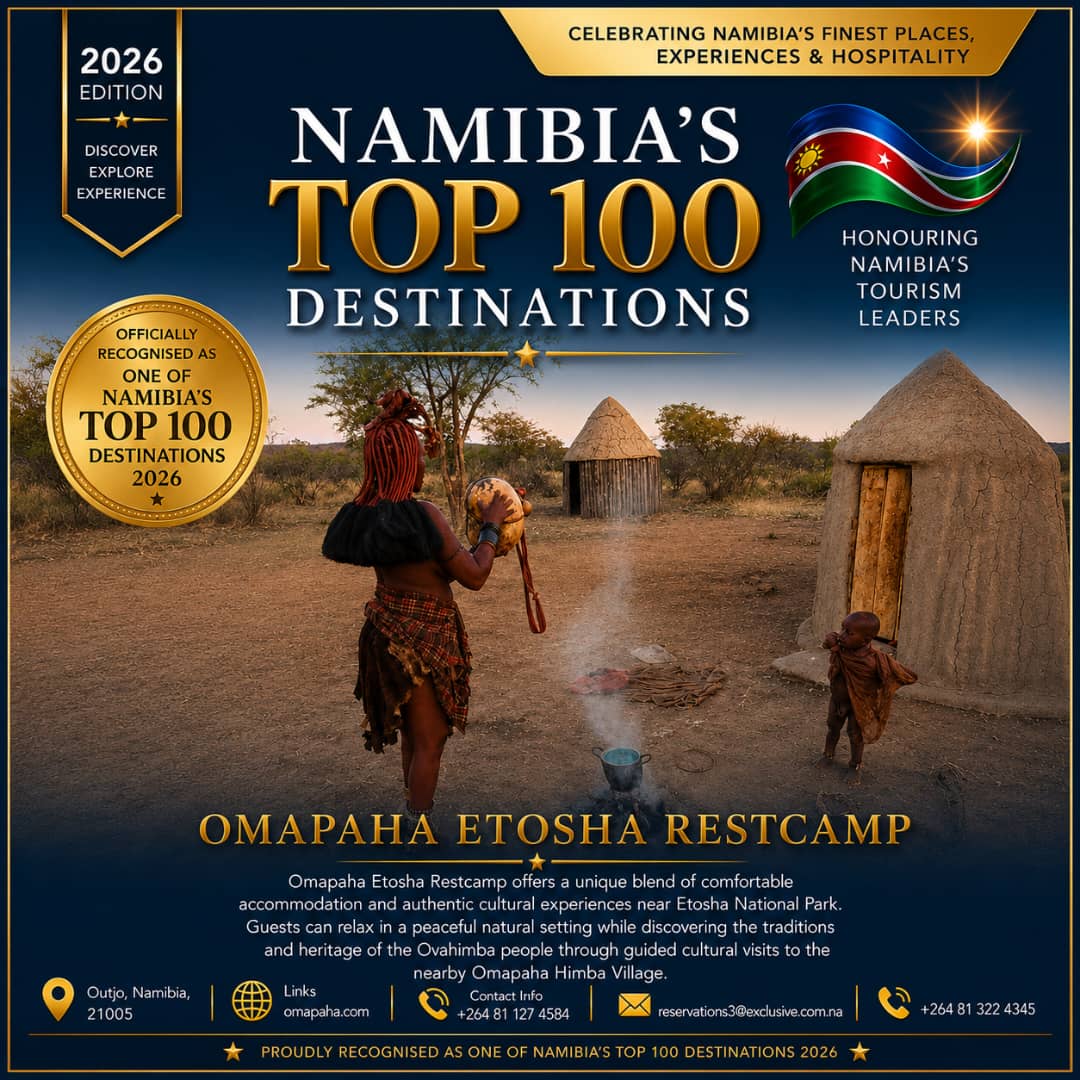
Introduction: Omapaha Etosha Restcamp & Omapaha Himba Village
Welcome to Omapaha Etosha Restcamp and thank you for taking the time to learn more about our community and cultural heritage.
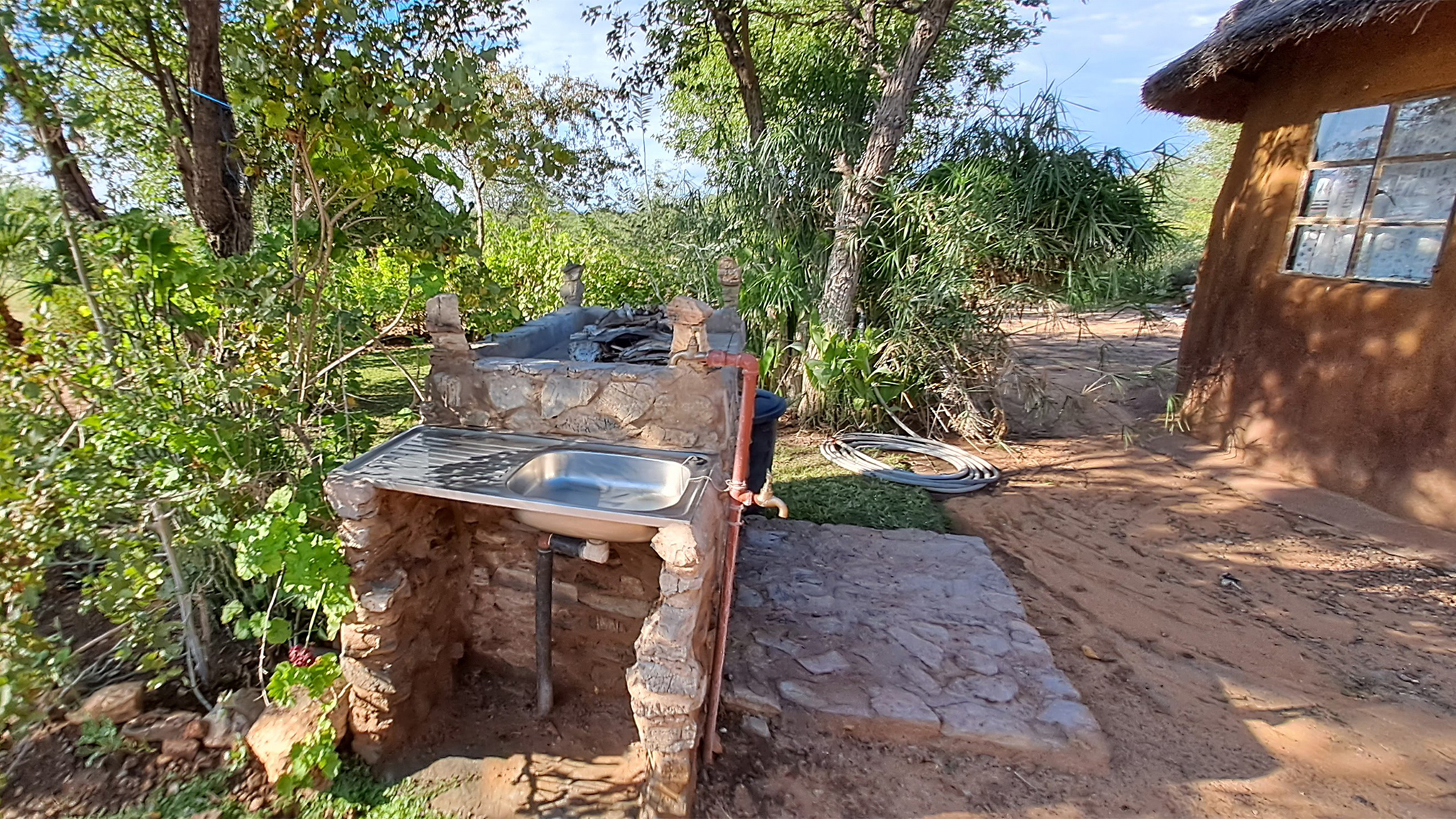
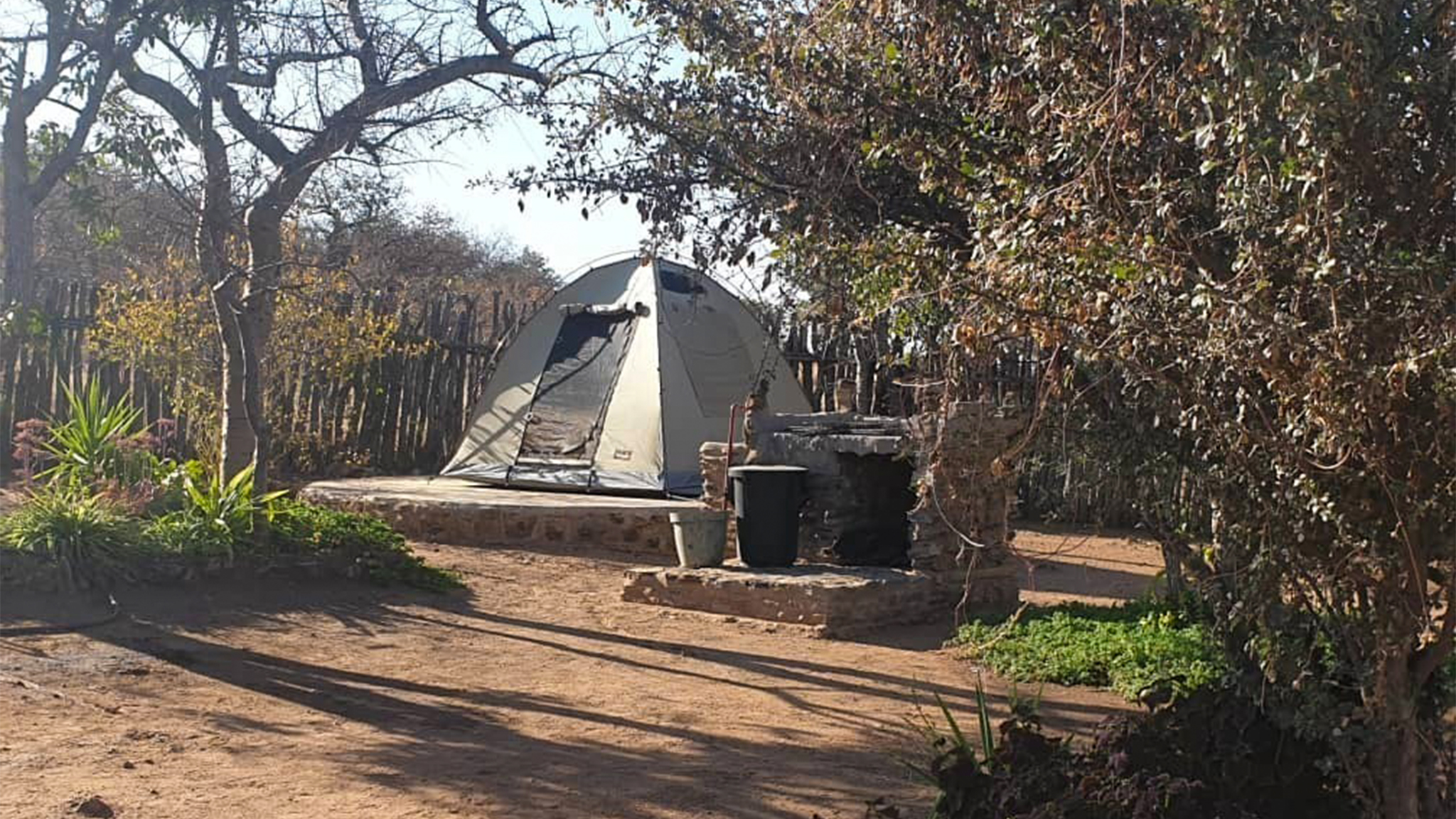
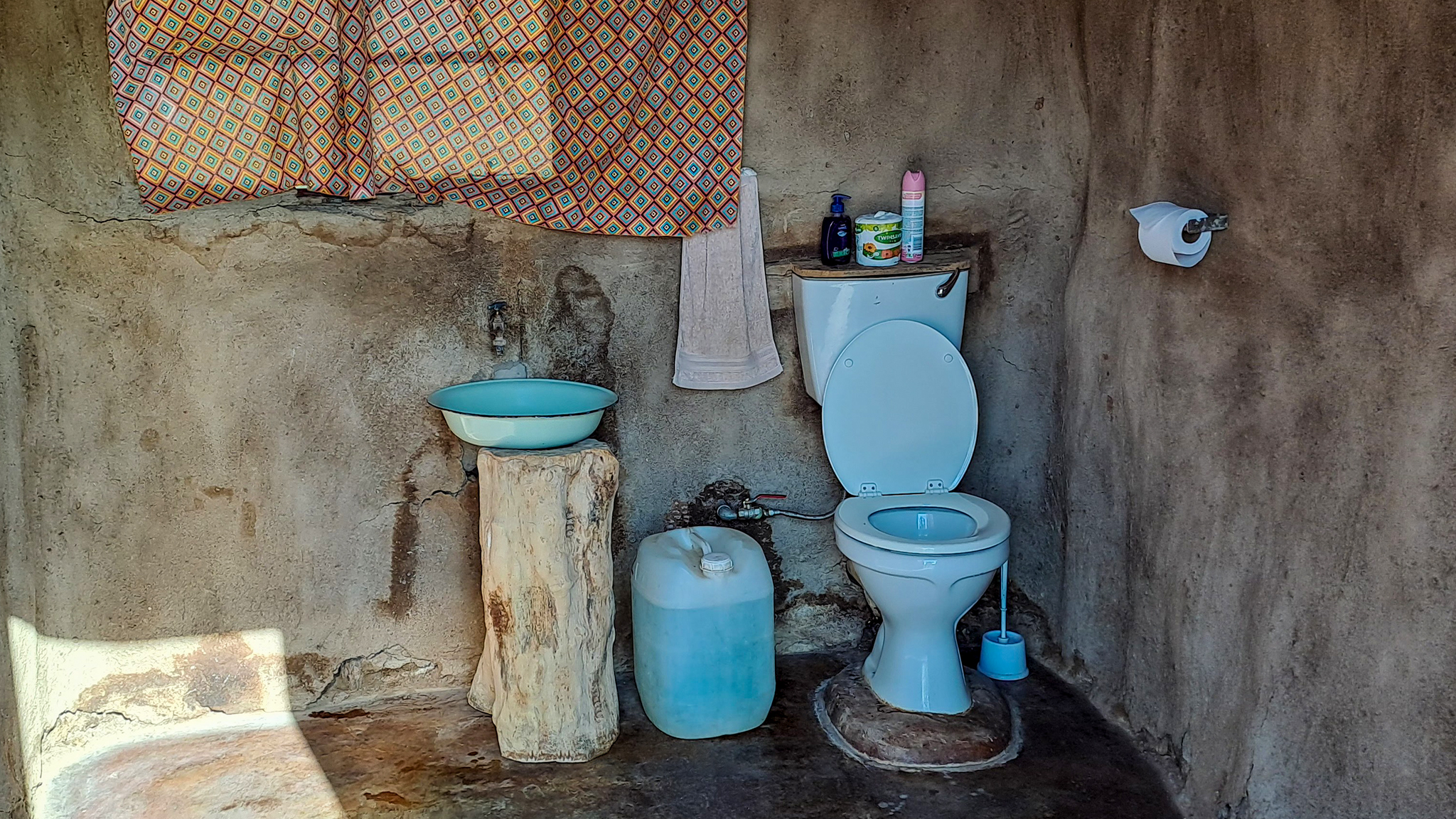
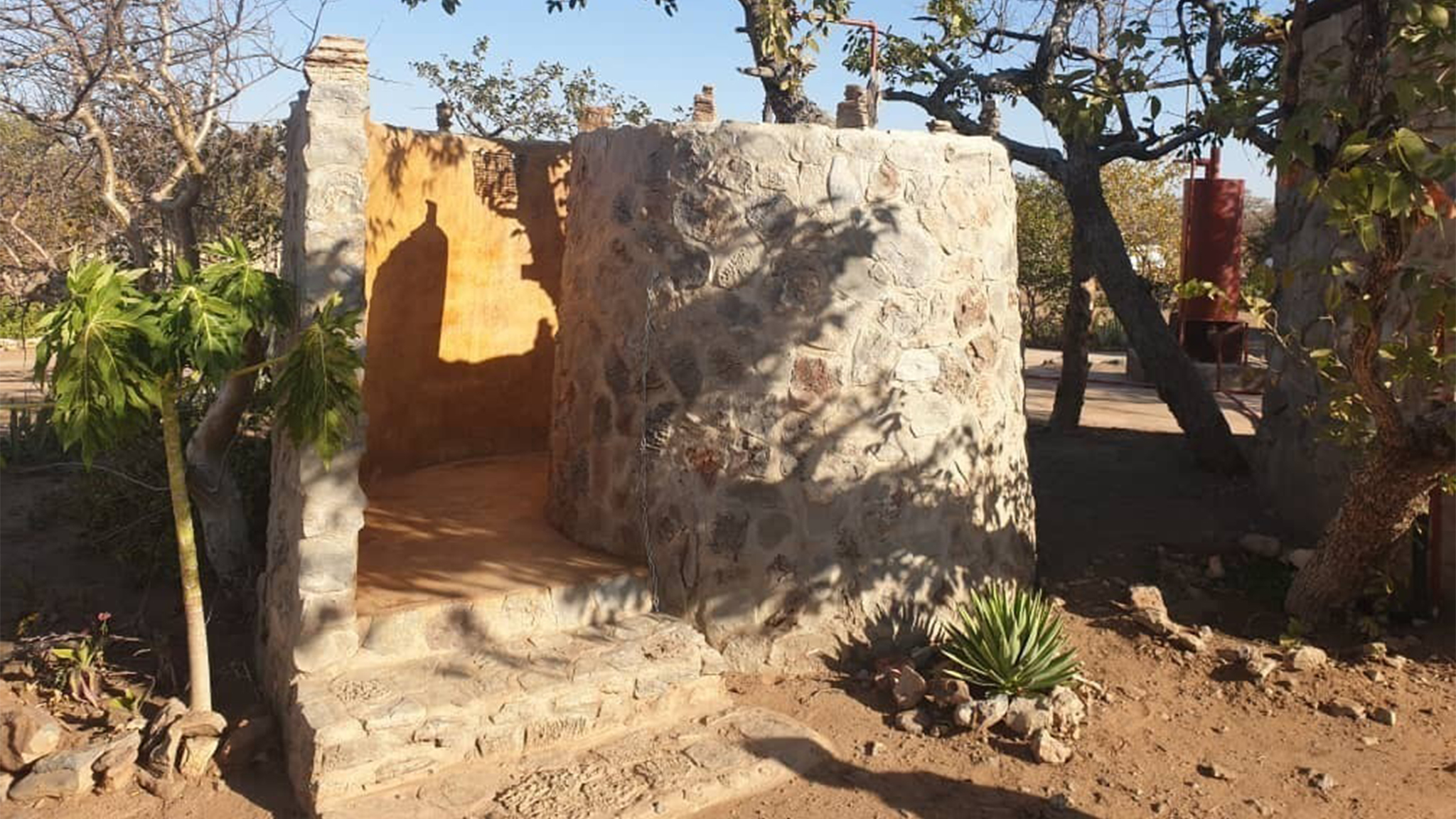
Please note: Omapaha Etosha Restcamp and Omapaha Himba Village are two separate locations situated approximately 300 metres apart from each other. The accommodation facilities, including the huts (Etoko and Onguari), are located at the Restcamp and are not part of the Himba Village. The Himba Village is a traditional living community, while the Restcamp is a separate area designed specifically for visitors who wish to stay overnight.
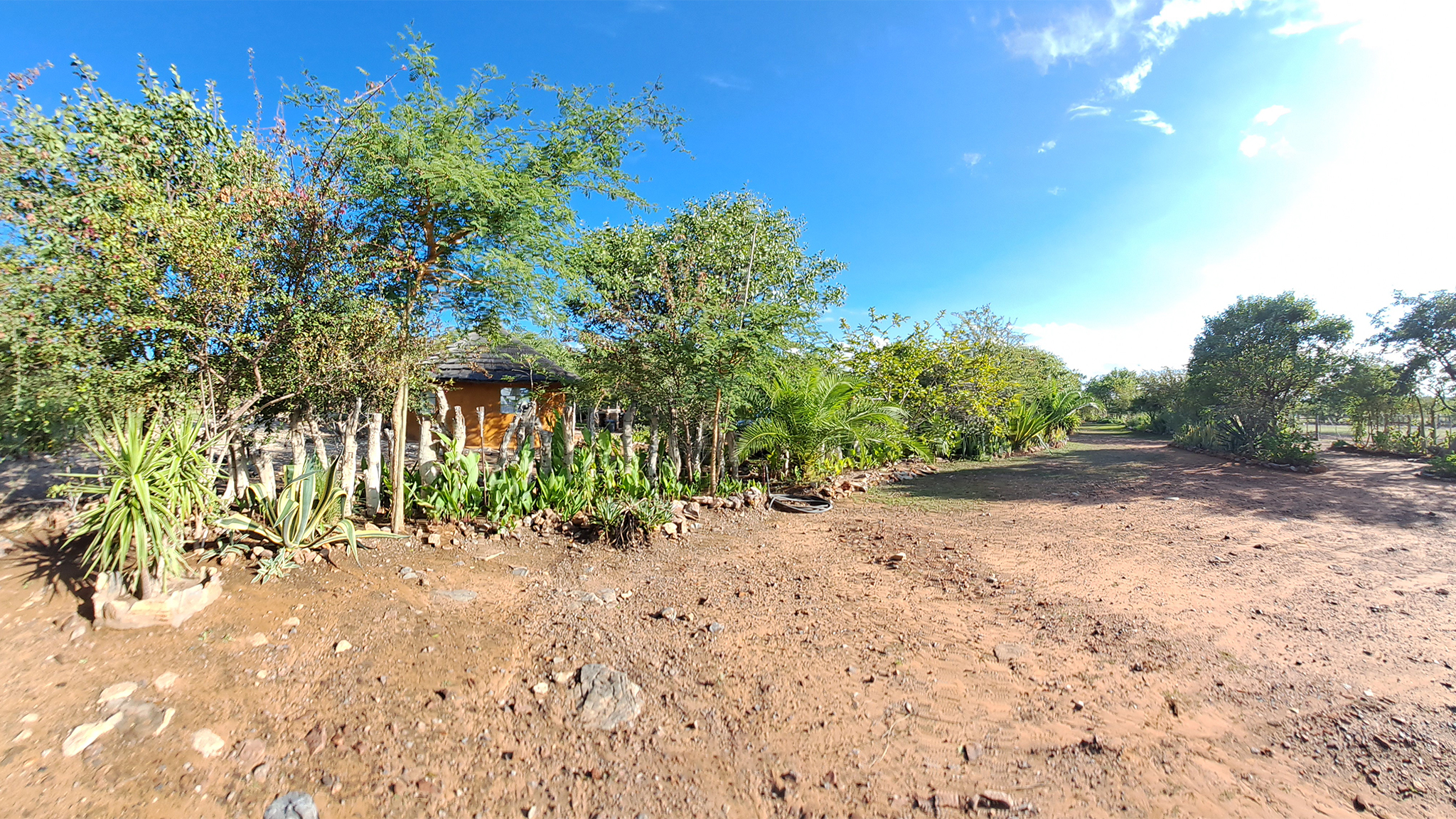
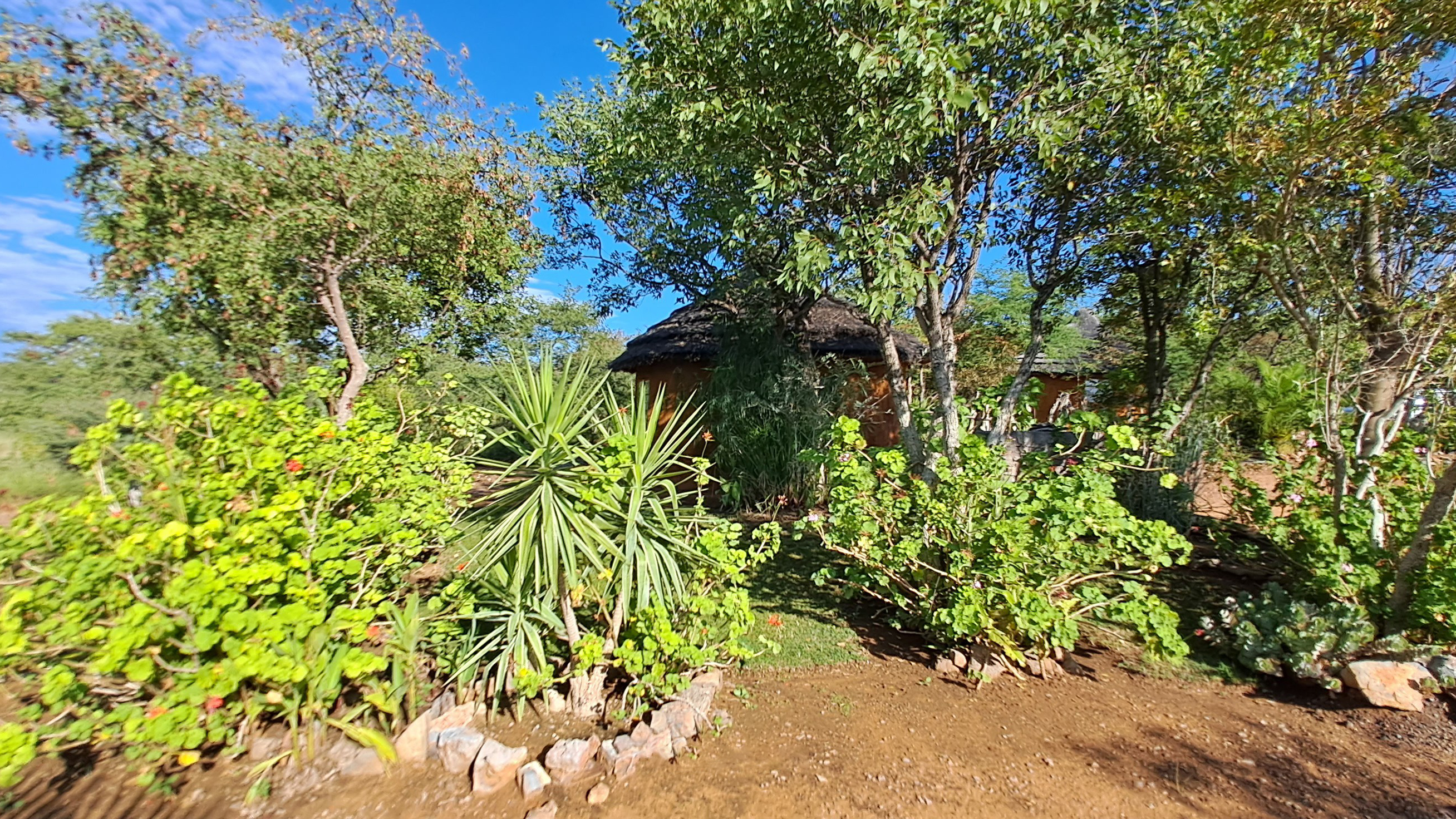
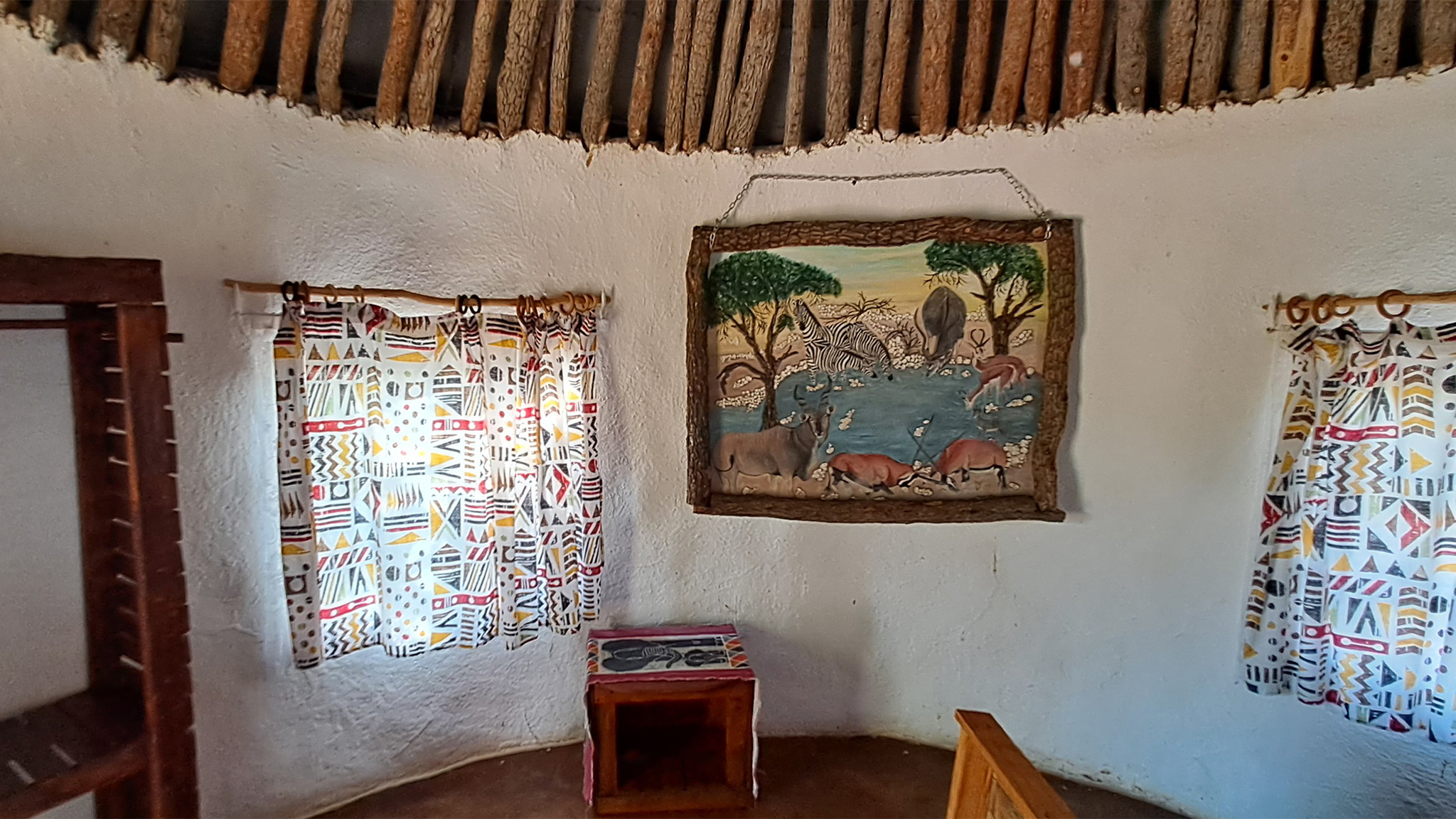
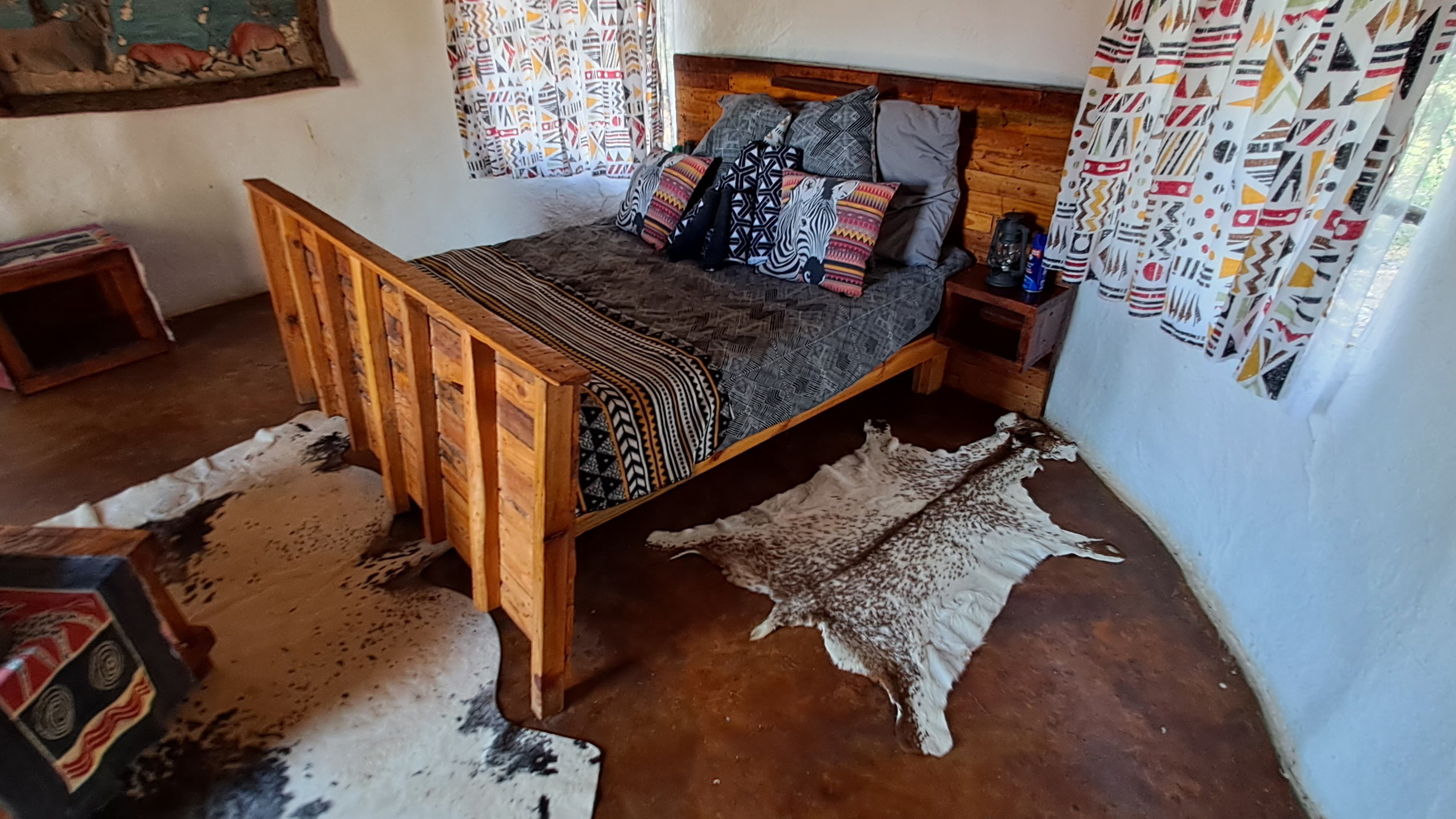
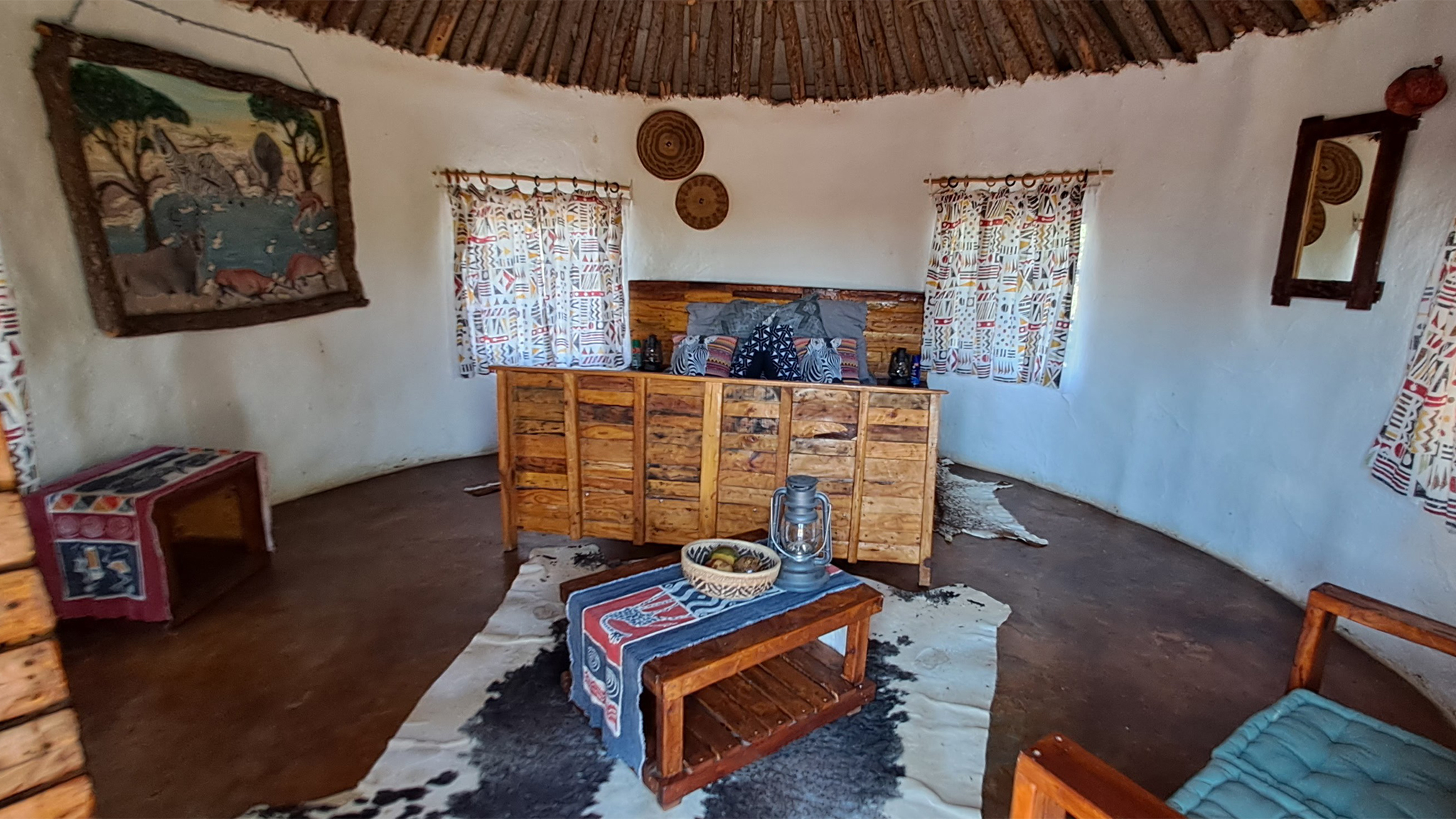
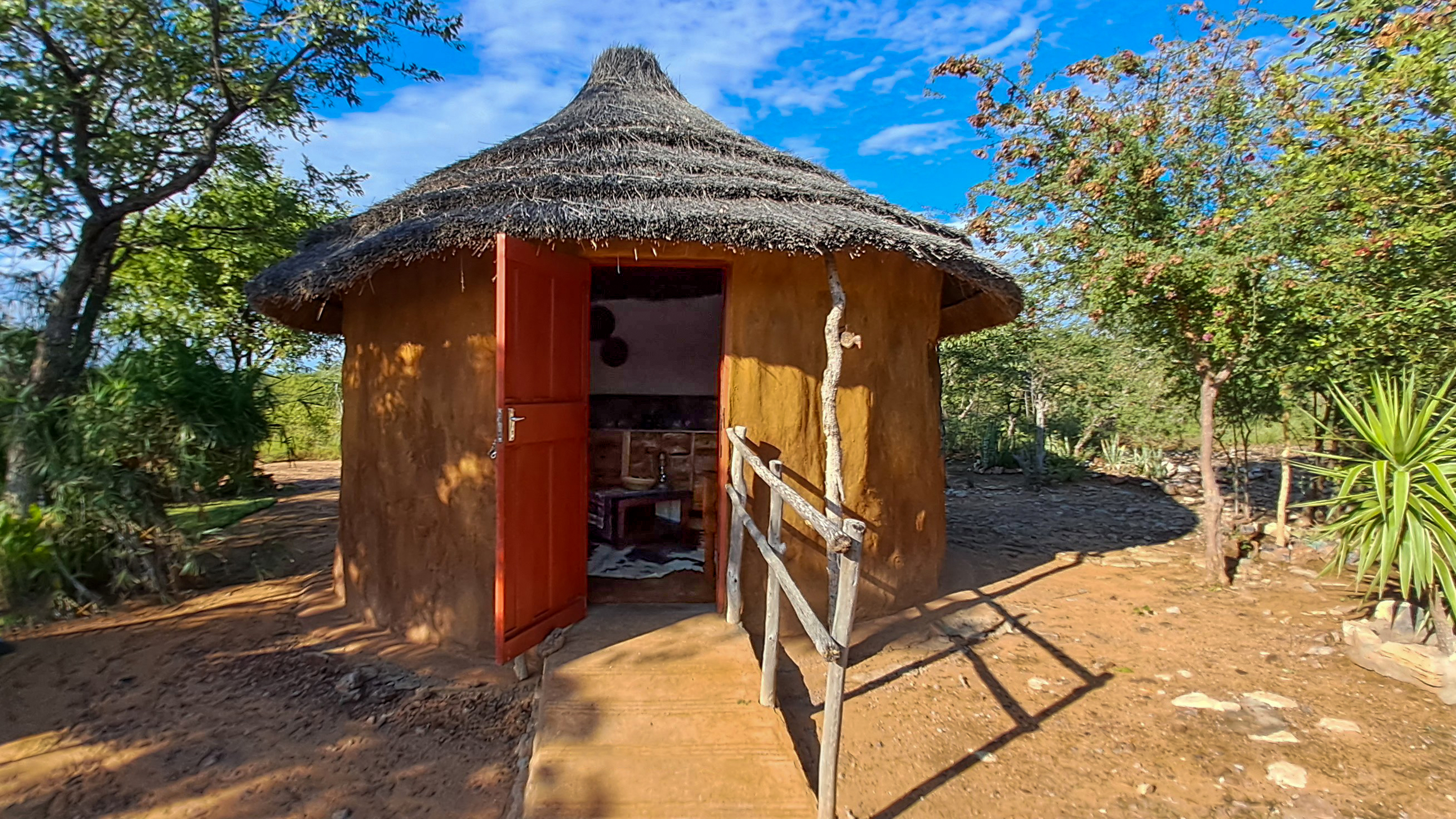
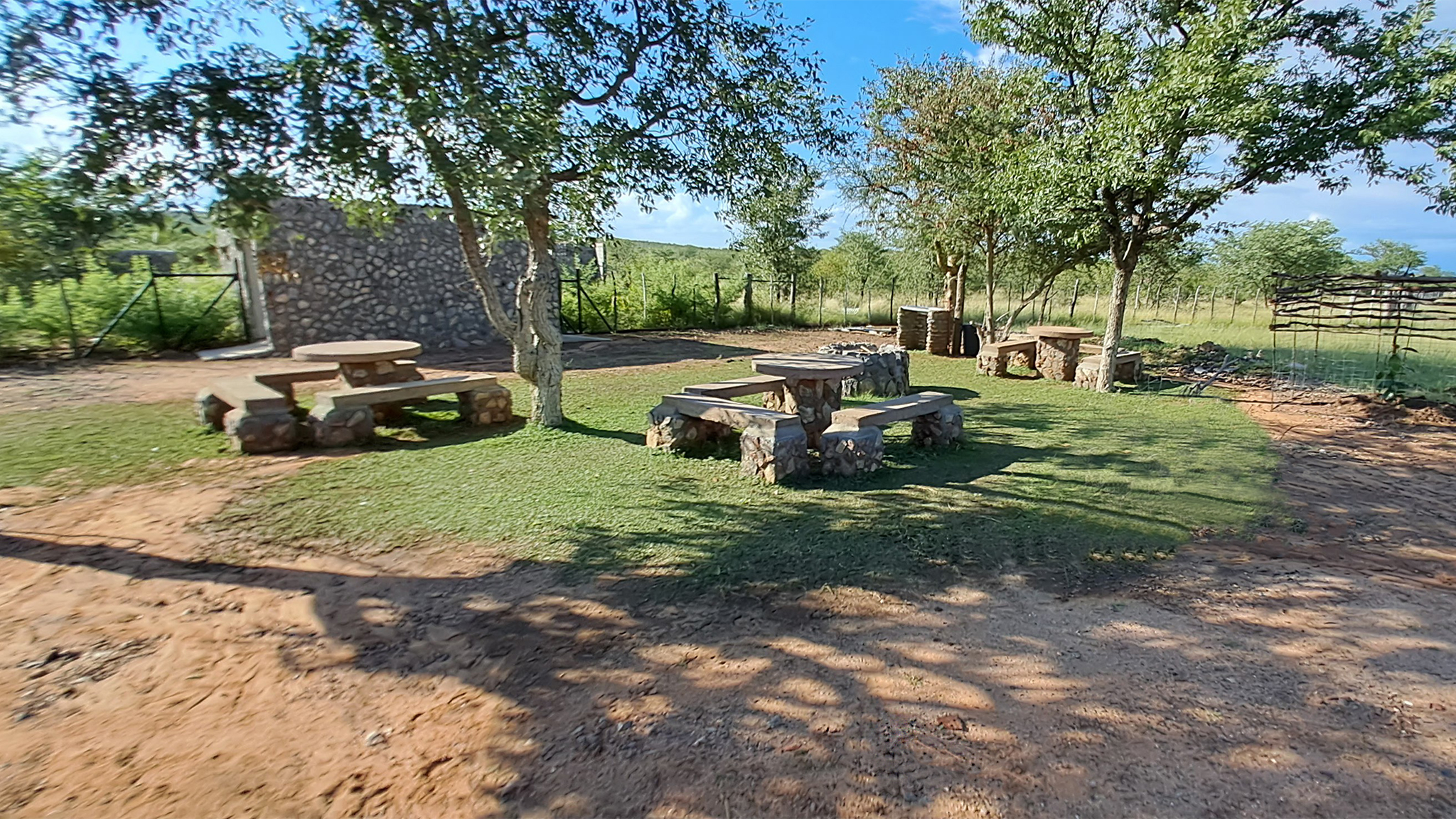
Visitors are welcome to join guided cultural tours to the Himba Village during visiting hours, but overnight accommodation takes place exclusively at the Restcamp. This arrangement helps ensure that the daily life, traditions, and privacy of the Himba community are respected.
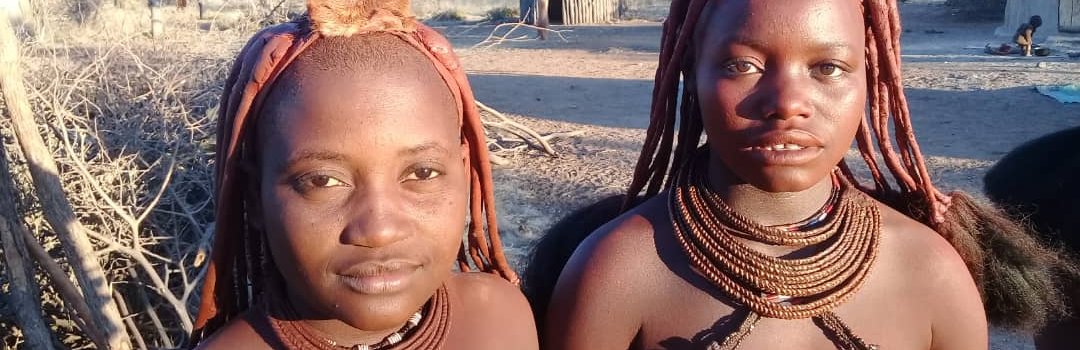
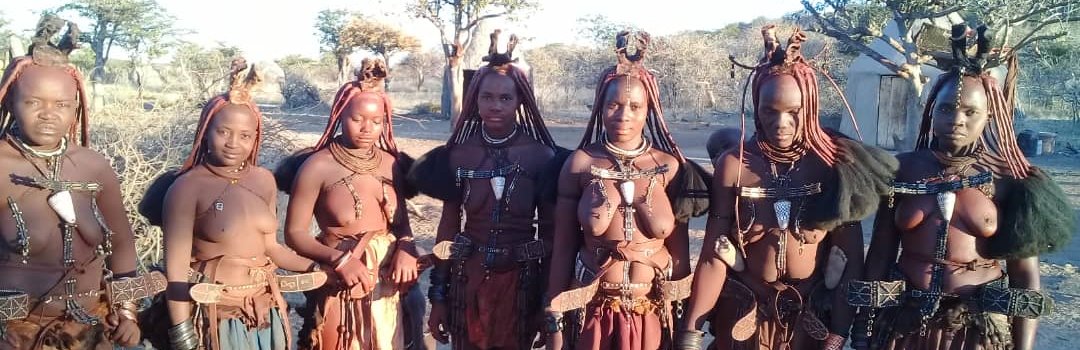
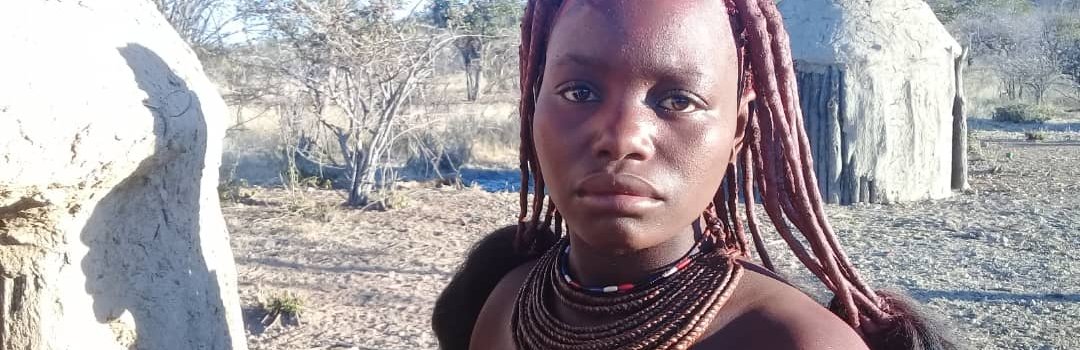
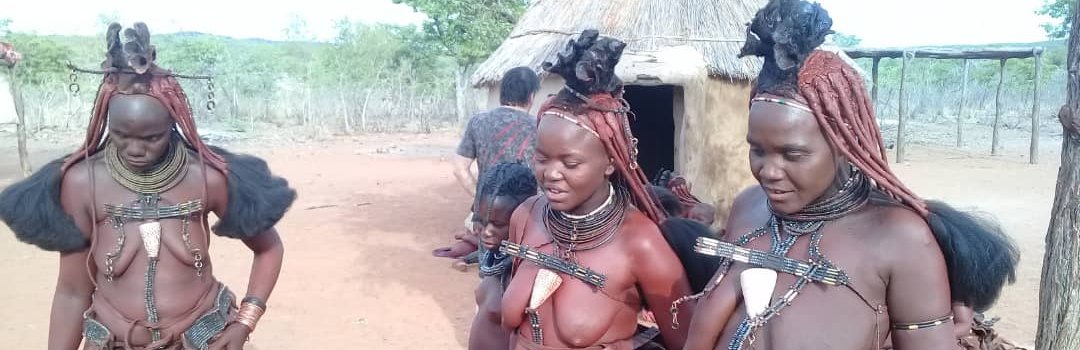
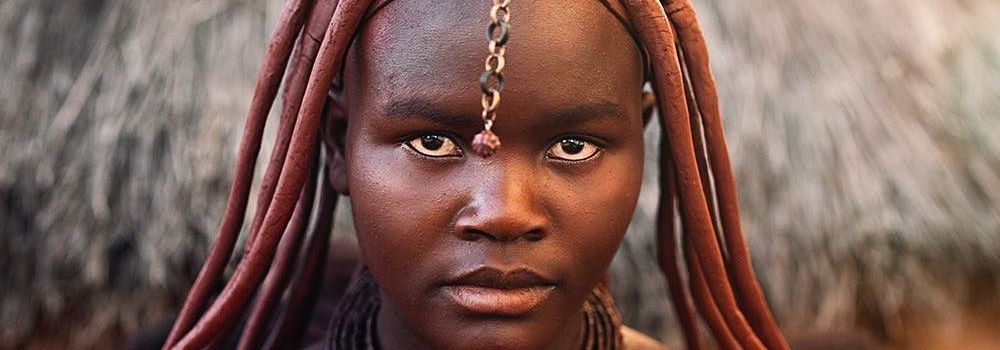
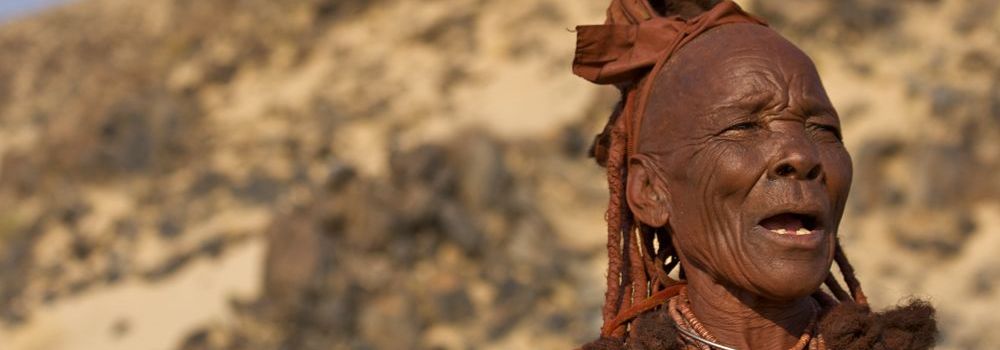
Omapaha Himba Village forms a cultural link with the well-known Otjikandero Himba Village. These two villages work closely together with the shared goal of preserving and maintaining the traditions, customs, and lifestyle of the Ovahimba people. Through this cooperation, the communities strive to continue living according to the traditional ways of the tribe while also supporting vulnerable members of the community, including orphaned children.
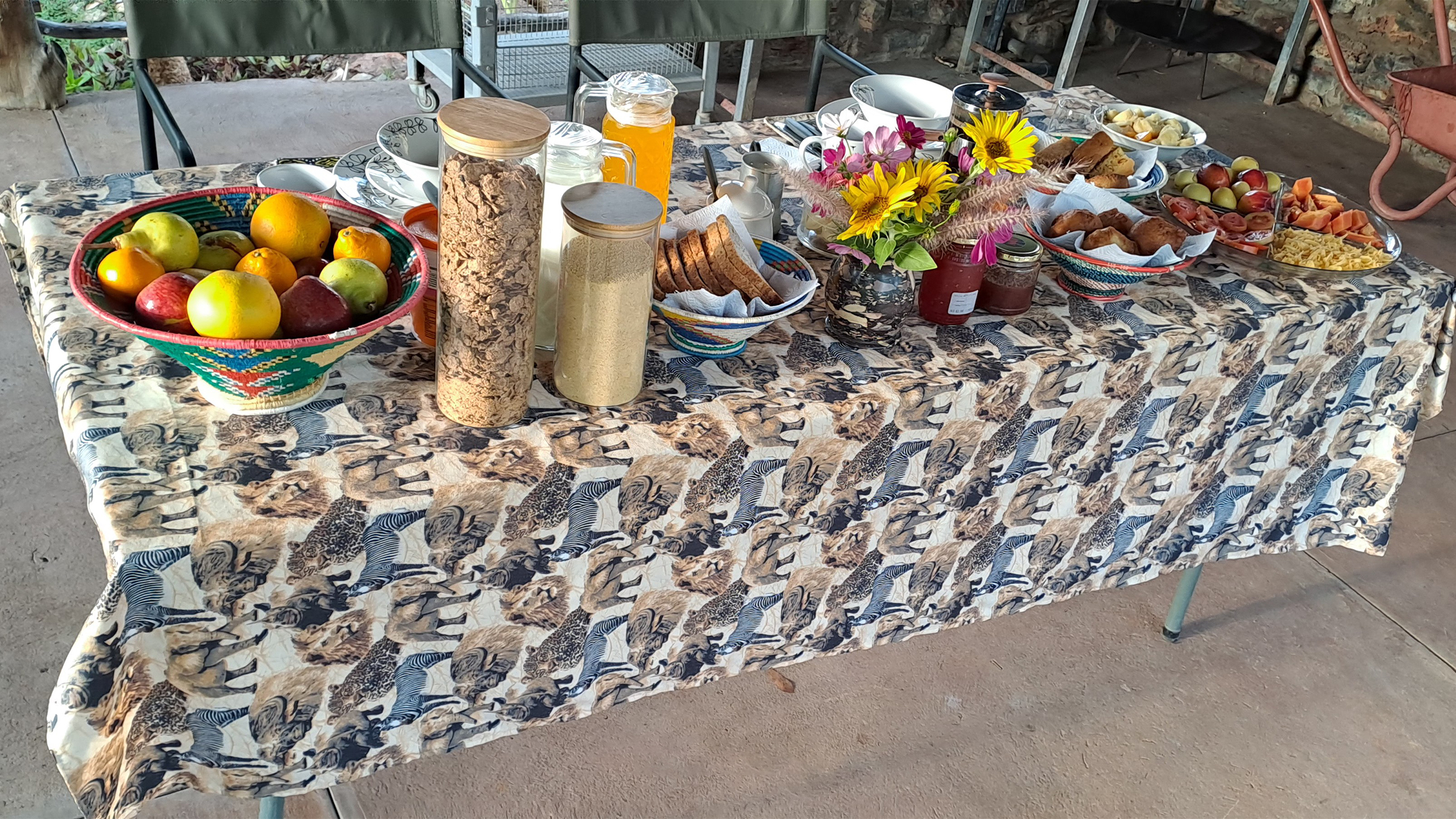
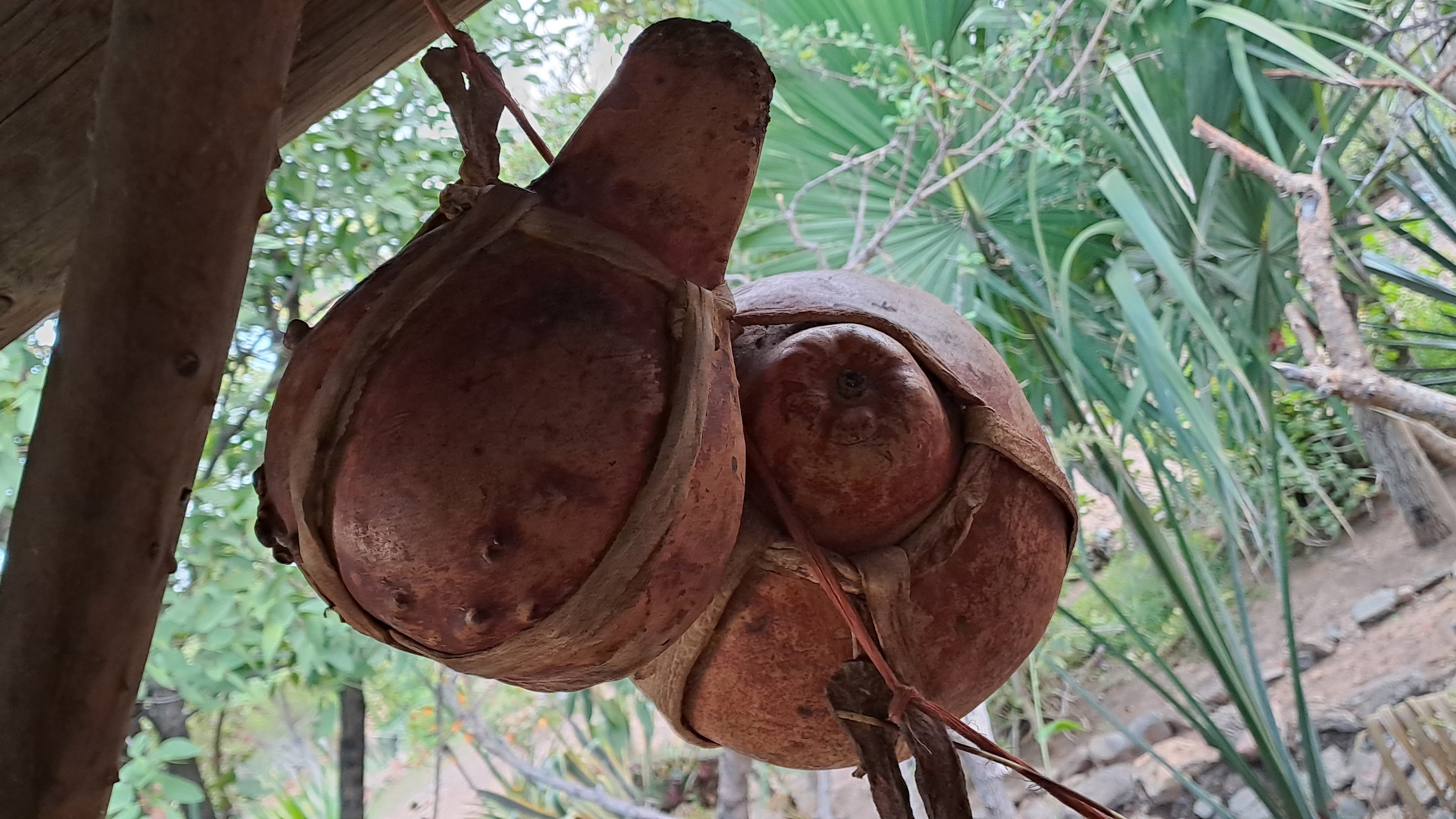
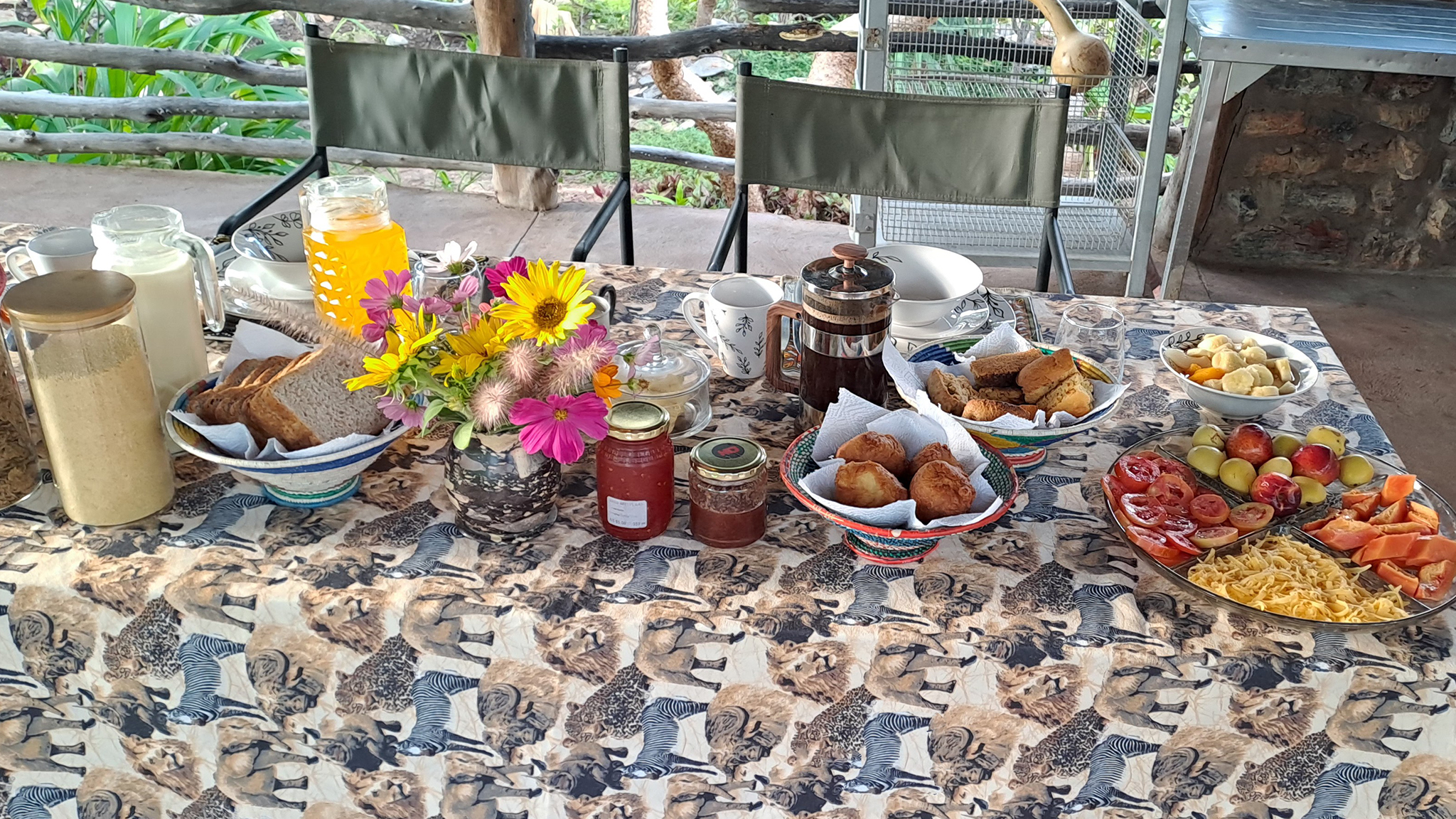
In recent years Namibia has experienced severe and prolonged drought conditions. These environmental challenges affected the farm Cauas-Okawa, where Otjikandero Village is located. During this difficult time we received generous support from a farmer and long-time friend, Mr. Jakkie Robberts, who offered assistance on his farm called Vierling.
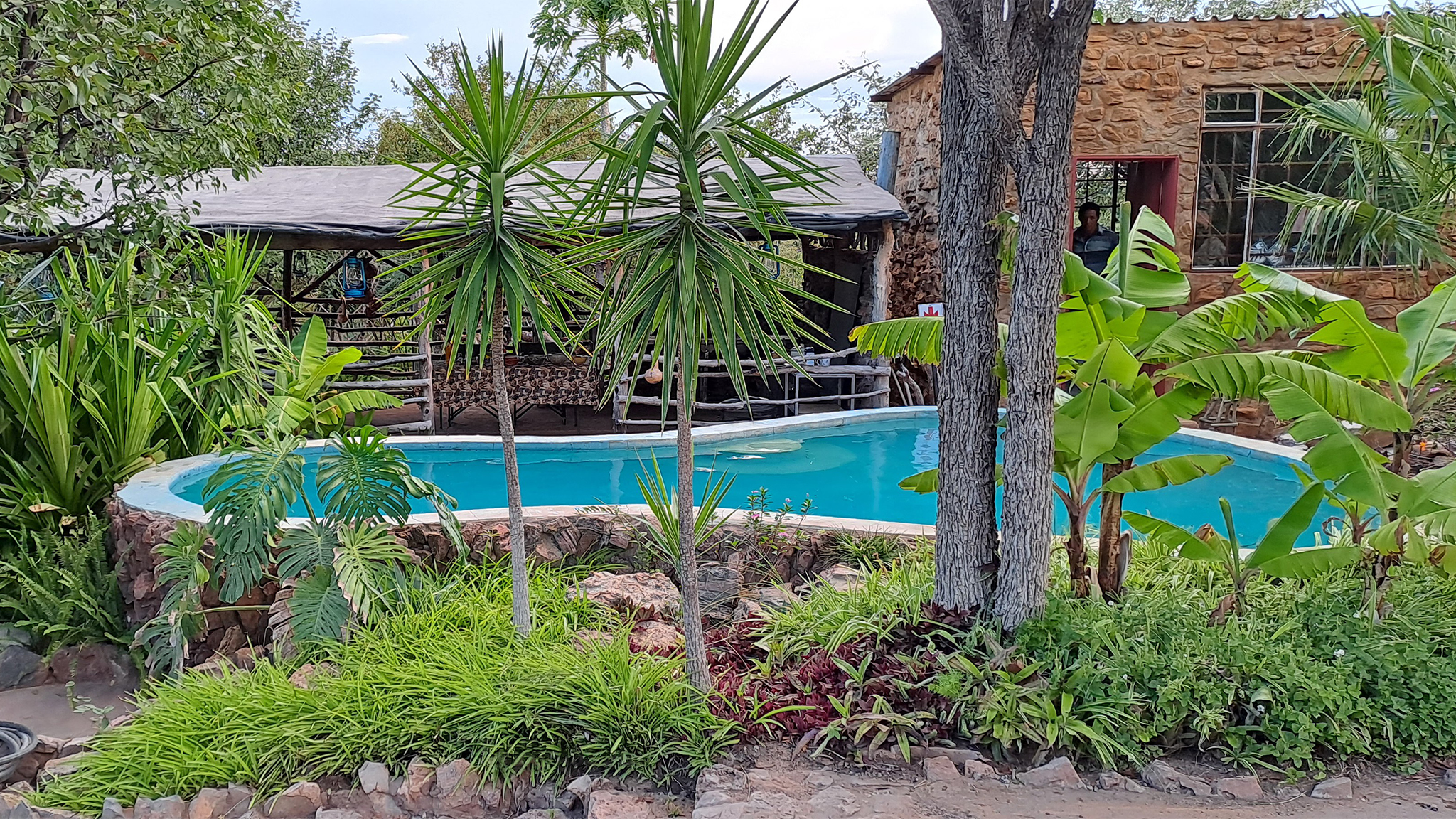
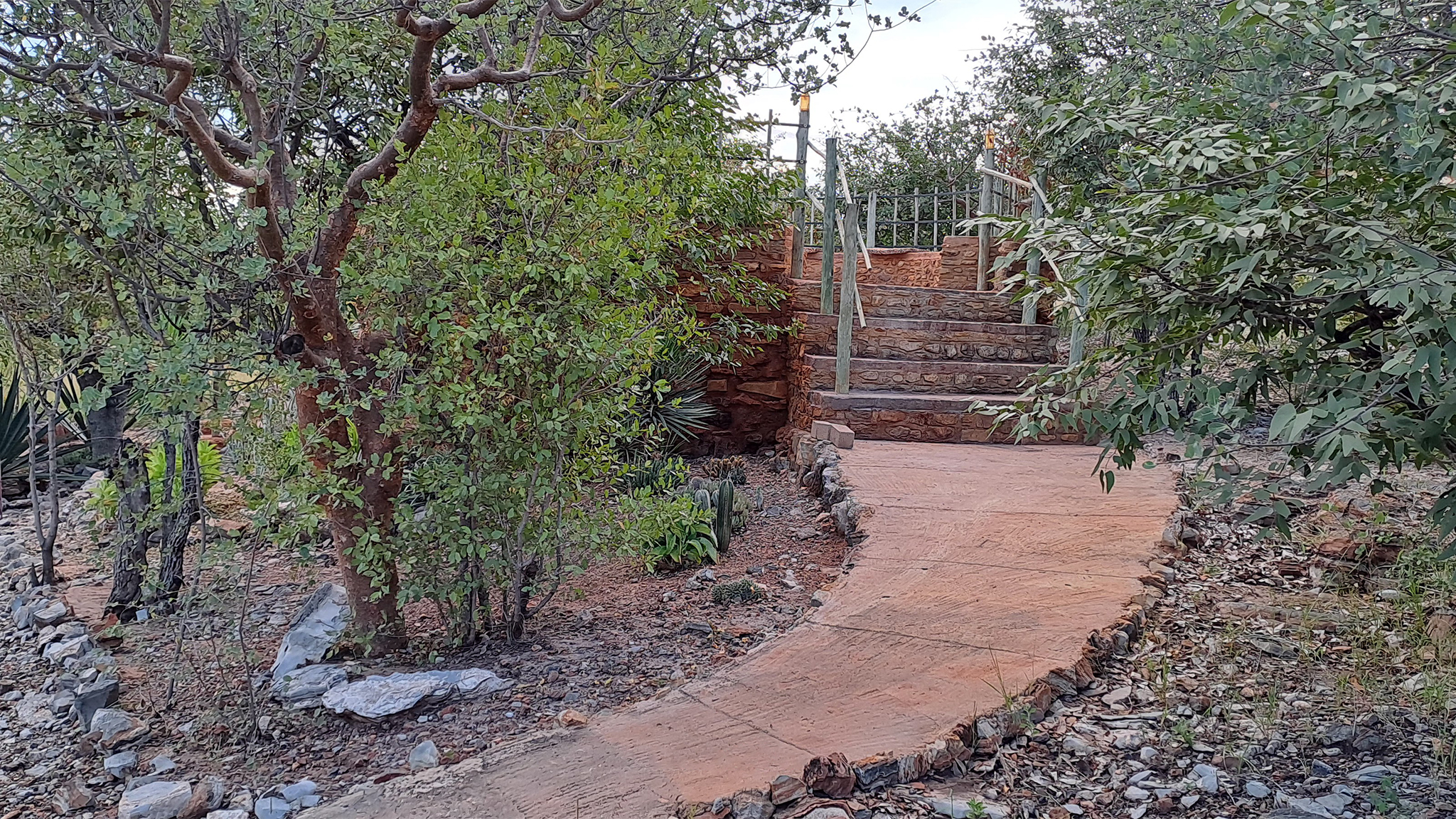
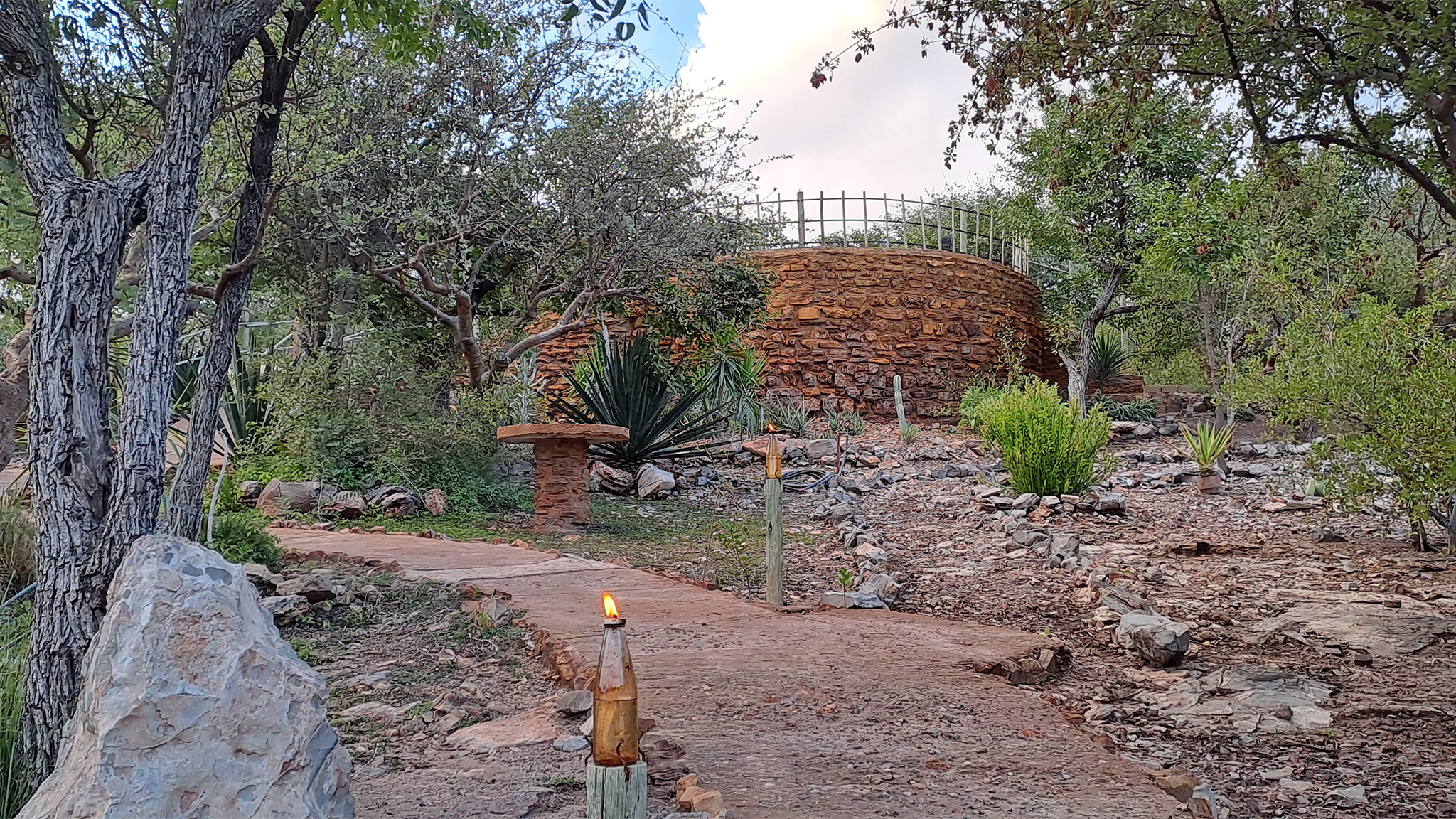
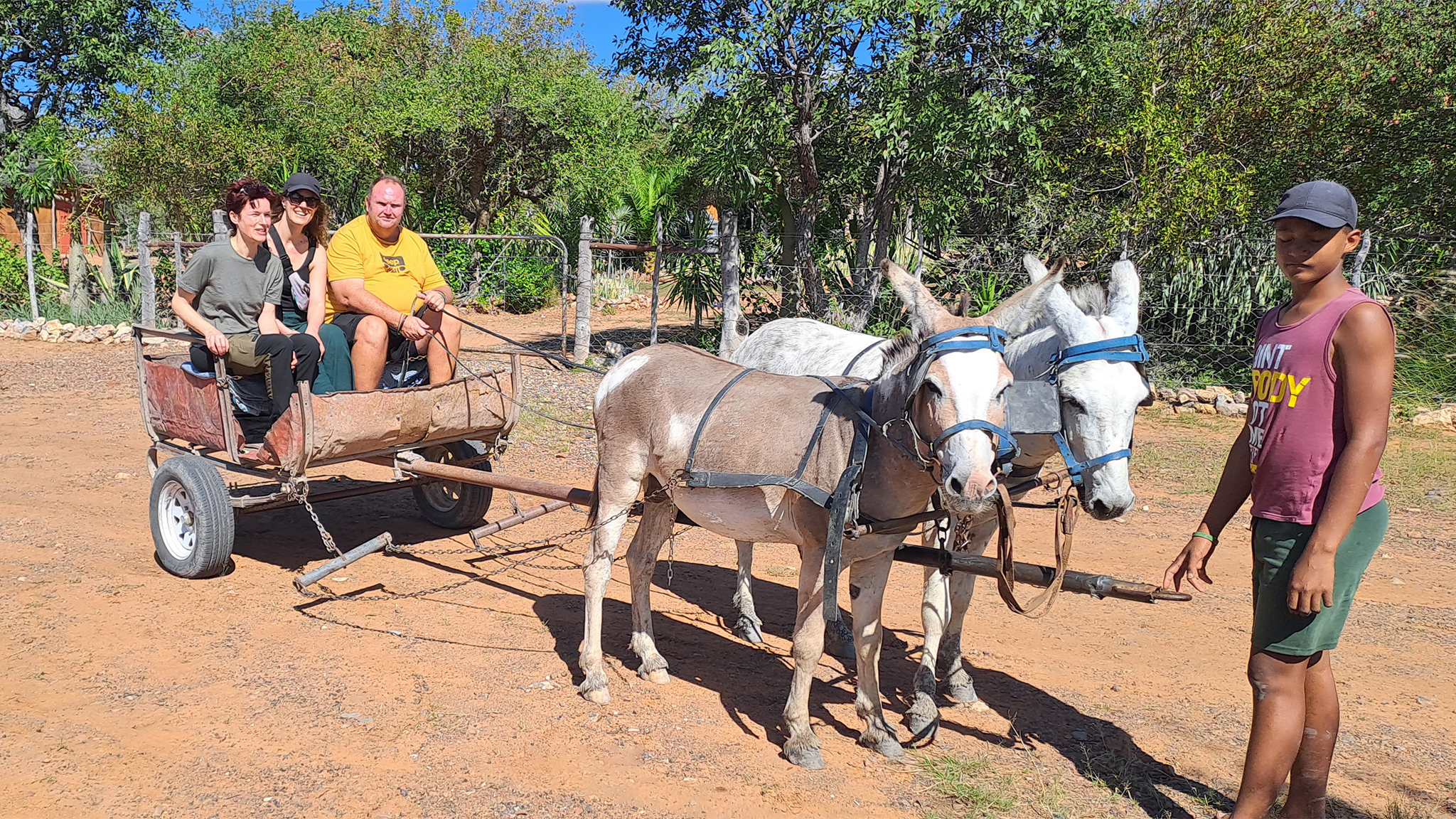
To ensure sufficient grazing for the livestock belonging to the Himba community of Otjikandero, some members of the village were relocated to Farm Vierling. At Omapaha Himba Village the daily life, traditions, and cultural practices of the Himba people continue in the same spirit as they do at Otjikandero. Visitors are therefore warmly invited to experience this unique cultural environment by visiting Omapaha Himba Village on Farm Vierling.
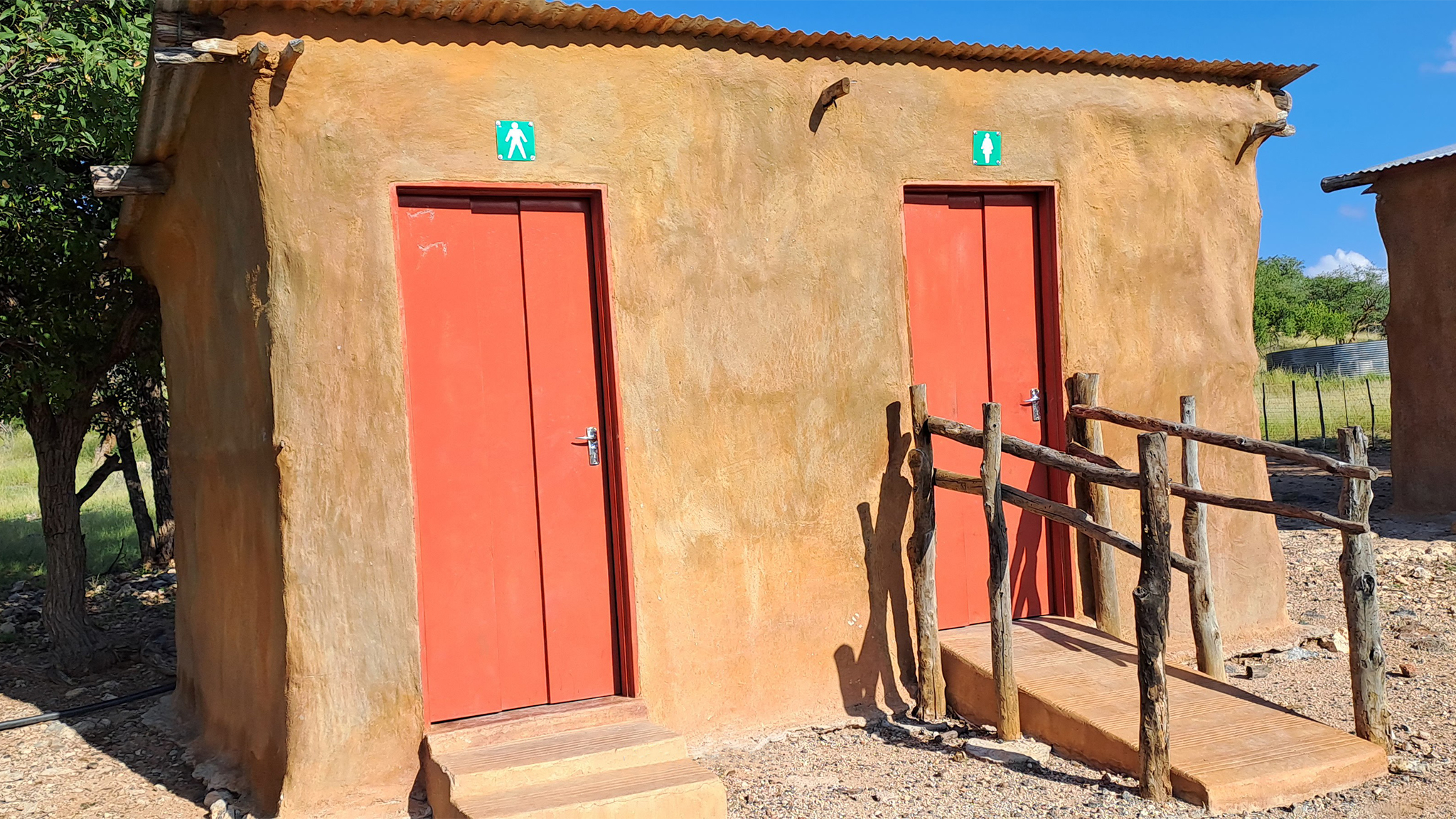
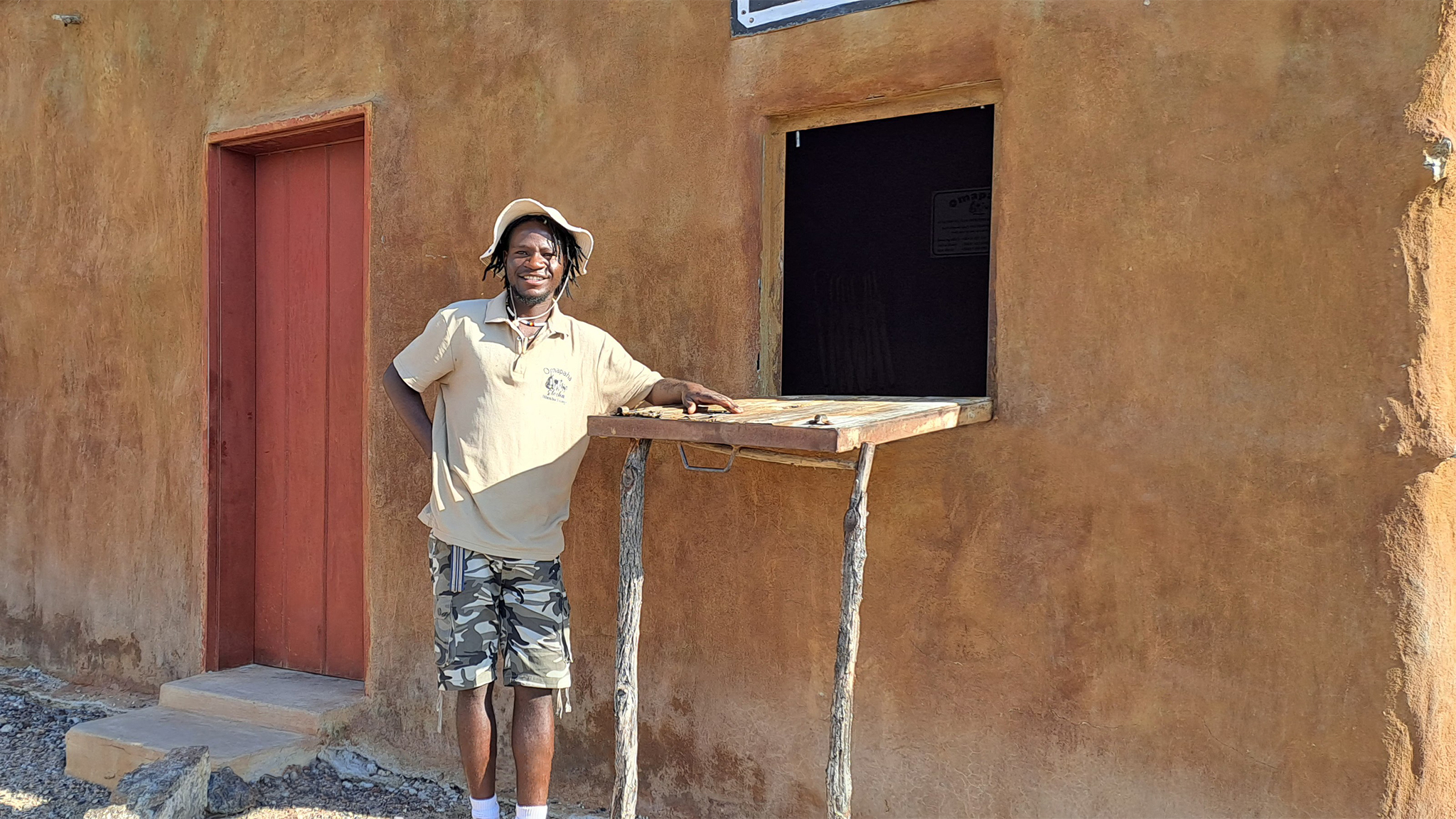
Kindly Note:
- Omapaha is not a show village. Our goal is to create a respectful cultural exchange where visitors can learn about the traditional lifestyle, customs, and values of the Ovahimba people. These experiences provide insight into one of Namibia’s most remarkable indigenous cultures before aspects of this heritage risk disappearing as the modern world continues to expand rapidly.
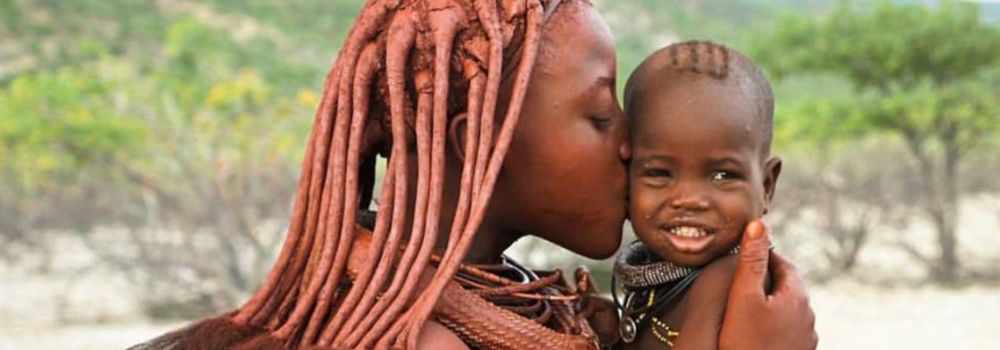
- The community currently cares for approximately 15 orphaned children. Income generated from village tours helps provide food, clothing, education, and basic necessities for these children as well as for the families within the village who take responsibility for their daily care and upbringing.
- Please note that no additional contributions such as food or supplies are required from visitors. The cost of the tour already contributes directly toward supporting the village community and helping provide the essentials needed for daily life.
- Items such as pens, stationery, empty plastic water bottles, plastic bags, clothing, or other Western consumer goods are unfortunately not allowed to be distributed within the village. The children are not accustomed to such items, and once the novelty wears off, these objects often become litter within the village environment. The concept of Western waste disposal is unfamiliar to them, and we would like to avoid creating unnecessary rubbish or encouraging begging behaviour among the children.
- If visitors would still like to bring something for the children, we kindly ask that small items such as sweets (preferably unwrapped) or fruit be handed to the guide, the head lady, or the village chief after the tour. These will then be distributed fairly among the children in a respectful and organised manner.
For more detailed information about our cultural tours, please visit our Tour Page and review the following information sheet: OMAPAHA_HIMBA_VILLAGE_Information_Sheet